
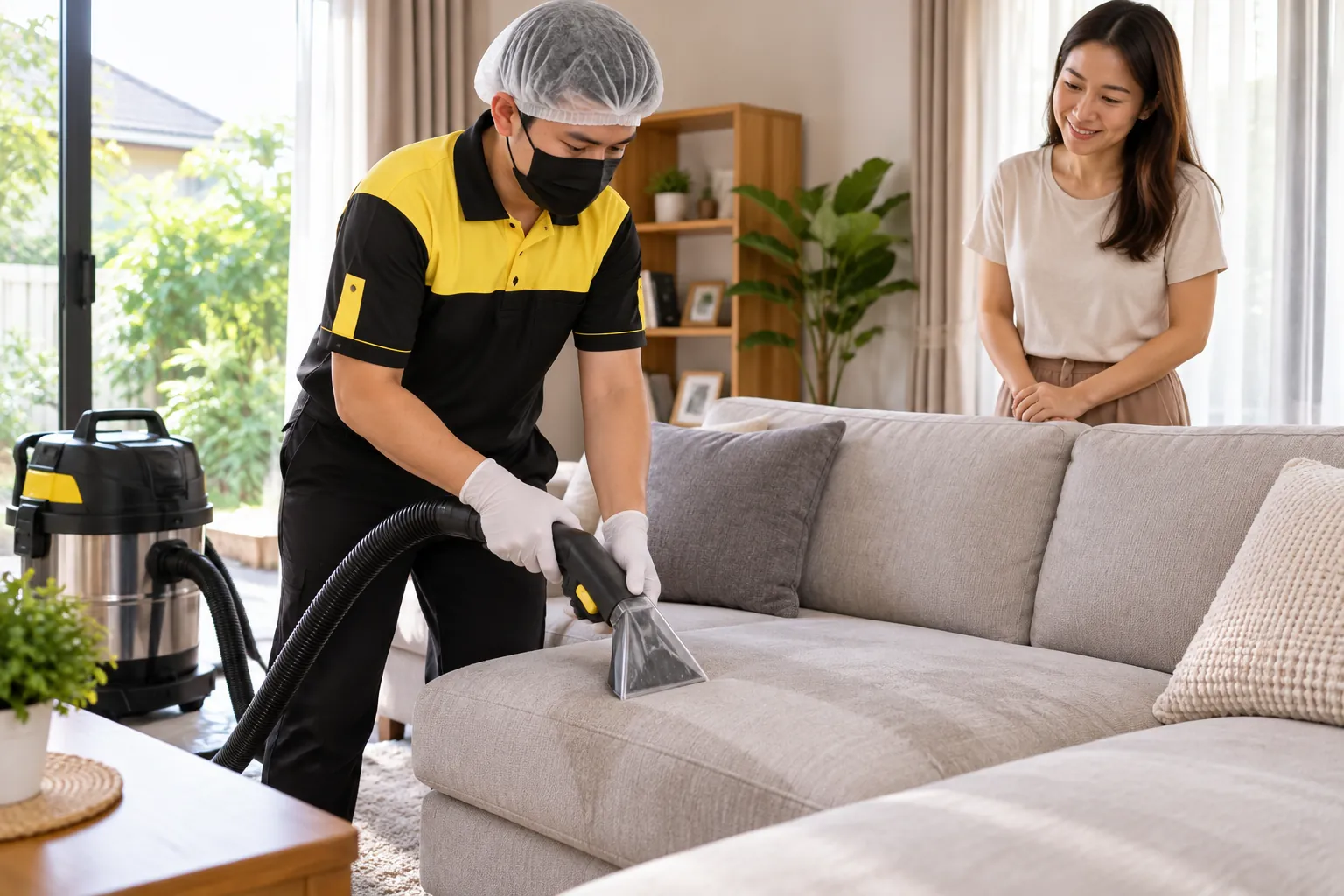
Start Cleaning Your Home After a Flood by Checking for Safety
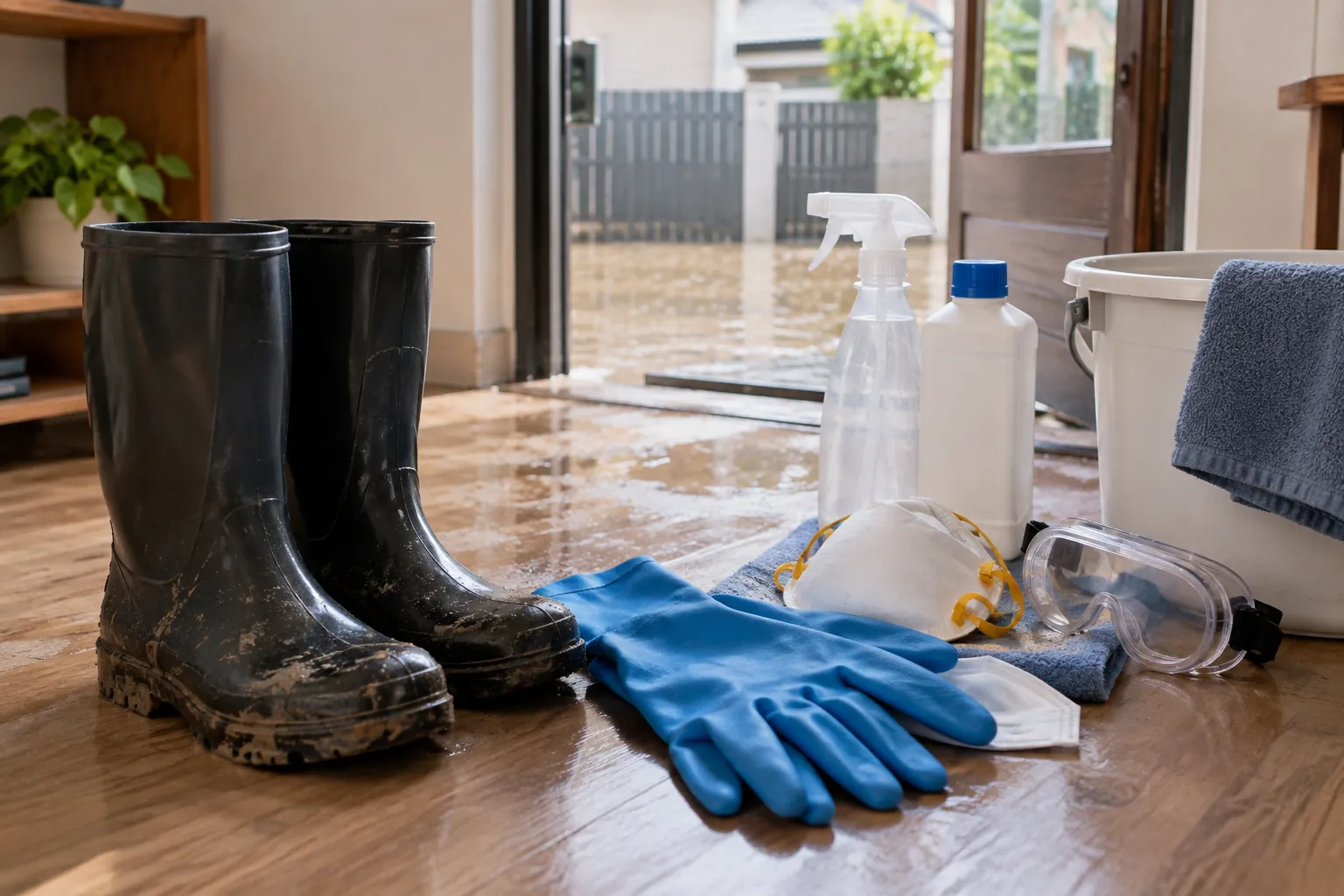
Once the water goes down, many people want to rush to move the sofa outside to dry or wash the curtains. But first, check whether it’s safe to enter and work in the area. Floodwater can bring in dirt, sewage and contaminants, especially in absorbent items like cushions, rugs and curtains.
What to Check Before Cleaning Your Home After the Floodwaters Recede
Don’t turn on electrical appliances or walk through standing water yet. If you’re unsure whether the electrical system is safe, contact an electrician or the relevant authorities first. If you need to switch off the breaker, do so from a dry spot you can reach without walking through water. If there’s a risk of electrical leakage, don’t go in yourself.
Once you’ve checked the area, work through the following steps. Basic protective equipment such as gloves, rubber boots and a mask can reduce contact with dirt, but it does not automatically make a heavily contaminated area safe.
- Ventilate the area and take photos of the home and damaged items before moving anything.
- Separate wet items from dry ones, and move anything that can be salvaged to a clean area.
- Remove standing water and mud without sweeping or spraying in a way that splashes or spreads it.
- Wash and clean hard surfaces according to their material, then improve airflow to help them dry.
If the water that entered your home smells like sewage, contains fecal matter, or came from an unknown source, don’t try to handle waterlogged rugs or cushions yourself. Porous items exposed to contaminated water can be difficult to clean safely. Ask a flood cleanup specialist for advice first.
How to Handle Sofas, Rugs and Curtains After a Flood
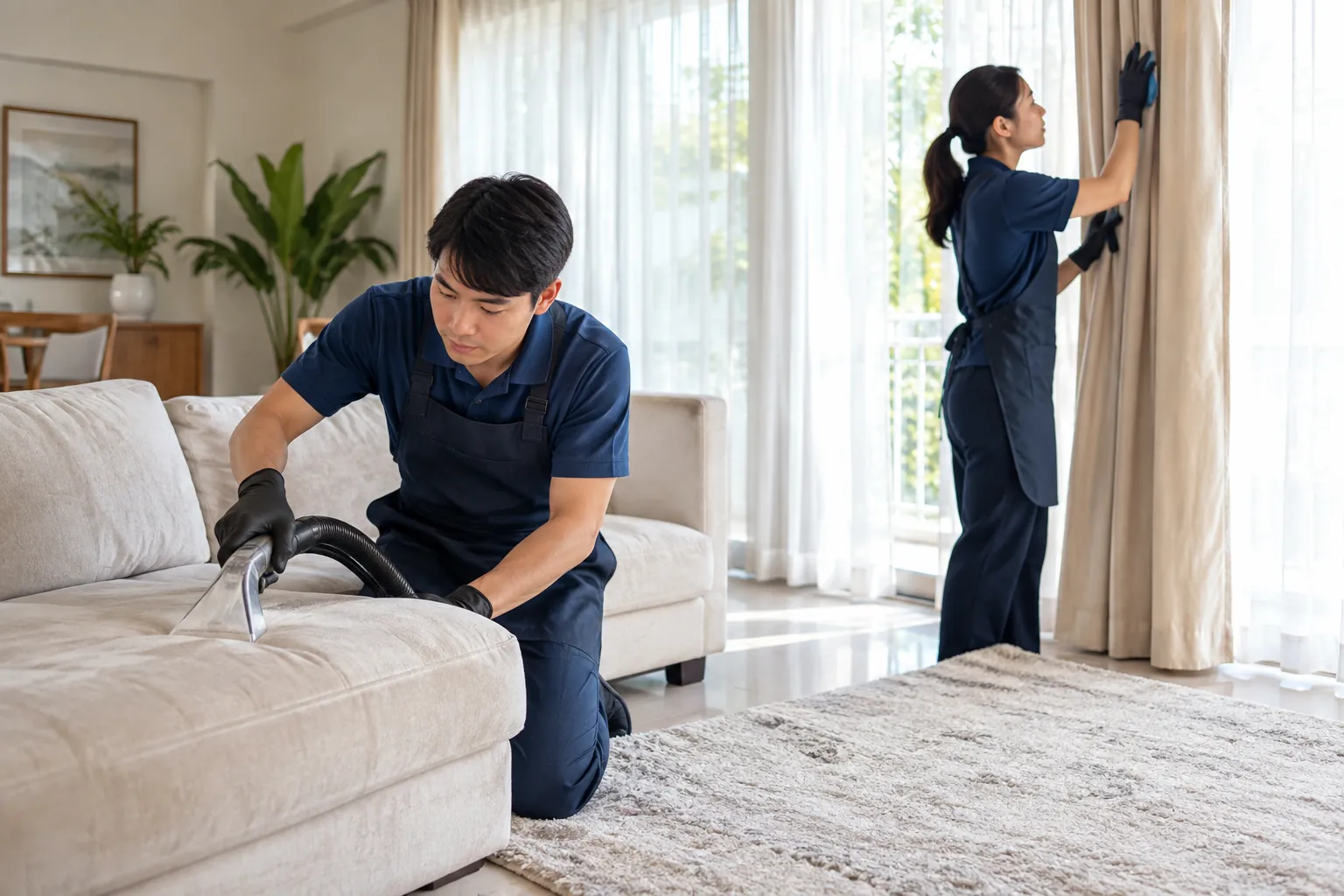
Before choosing a cleaning method, check whether the water only touched the surface or soaked through, and determine whether it was clean rainwater or water that carried in mud and contaminants. Mud stains, old coffee stains and pet urine stains that were there before the flood all require different treatments. Fabric looking clean again doesn’t mean the inside is dry or odor-free.
Sofas: Check the Cushion Filling and Frame Before Treating Stains
If only the surface of the sofa got wet and the water was clean, blot it gently with a clean cloth. Don’t rub back and forth, as this can spread mud stains. Then check the care label before using a cleaning product on cotton or linen. Test it on a hidden spot and wait 10-15 minutes to see whether the color runs or the fabric changes.
If the foam or cushion filling is waterlogged, smells, or has absorbed dirty water, don’t just cover it with fabric or point a fan at it. Moisture trapped inside can make musty odors return. In this case, ask a specialist to assess whether it can be salvaged or the cushion filling should be replaced.
Velvet sofas need extra care. Scrubbing too hard can flatten the pile, making it difficult to restore. Genuine leather and PU leather should not be soaked or treated with products not labeled as safe for leather. Follow the manufacturer’s instructions and wipe them dry promptly.
Rugs: Don’t Leave the Underlay Damp
Lift the rug off the floor if you can, then check the front, back and underlay. A rug wet with clean water may be possible to clean and air-dry, depending on its fiber type. But if floodwater has carried mud or sewage through the rug and underlay, cleaning it yourself may not be enough. Consider whether it should be discarded or have a specialist assess its condition.
Curtains: Remove Them Only When the Area and Rail Are Safe
If the bottom of the curtains got wet with clean water, take them down according to the rail’s instructions and check the care label before washing. Linen and cotton can shrink or wrinkle if washed incorrectly. For lined or multi-layer curtains, check whether moisture has reached the inner layers. If they were exposed to contaminated water, don’t wash them with regular laundry.
To Get Rid of Musty Odors After a Flood, Dry Items Thoroughly
Musty odors often linger because materials are still damp, not simply because the room smells. Check near sofa seams, under rugs, behind curtains and along walls. If the smell gets stronger when you move something, or a cushion still feels cool and damp, check for moisture inside. Don’t try to mask the odor with spray.
Open windows when outdoor conditions are suitable for ventilation, and use fans to keep air moving. But don’t blow air in a way that scatters dust or dried residue. If mold covers a large area or keeps coming back, stop scrubbing it yourself and have a specialist find the source of the moisture.
When to Call a Cleaning Team and What to Ask
If water has soaked into the sofa foam, a rug’s underlay is wet, or an odor remains after the surface has dried, having a technician assess the items before work begins can help determine the right method for each material. Ask what the assessment is based on, what the cleaning process involves, how long the work will take onsite, and how they’ll ensure the items are dry before you use them again. Drying time depends on thickness, material and ventilation, so ask the technician to assess the actual conditions.
For items that are suitable for standard cleaning, Hurryclean uses modern, European-standard equipment and tests the results onsite to meet customer satisfaction. The brand’s review page shows a Google Review score of 5.0 from more than 1,700 reviews, including comments praising the cleaning, the technicians’ courtesy and their clear explanations.
Before booking, send photos of the wet areas and clearly state whether the water was rainwater, muddy water or suspected contaminated water. This helps the team assess whether the job is suitable or whether safety measures should come first. Heavy stains and musty or urine odors do not incur extra charges, as stated in the brand’s service information, but floodwater containing contaminants must always be assessed before the team can confirm the condition and scope of work.
If you’re unsure which sofa, rug or curtain items can be salvaged, take photos of the material, care label and wet areas, then contact Hurryclean on LINE @hurryclean for an initial assessment before booking an in-home service.