
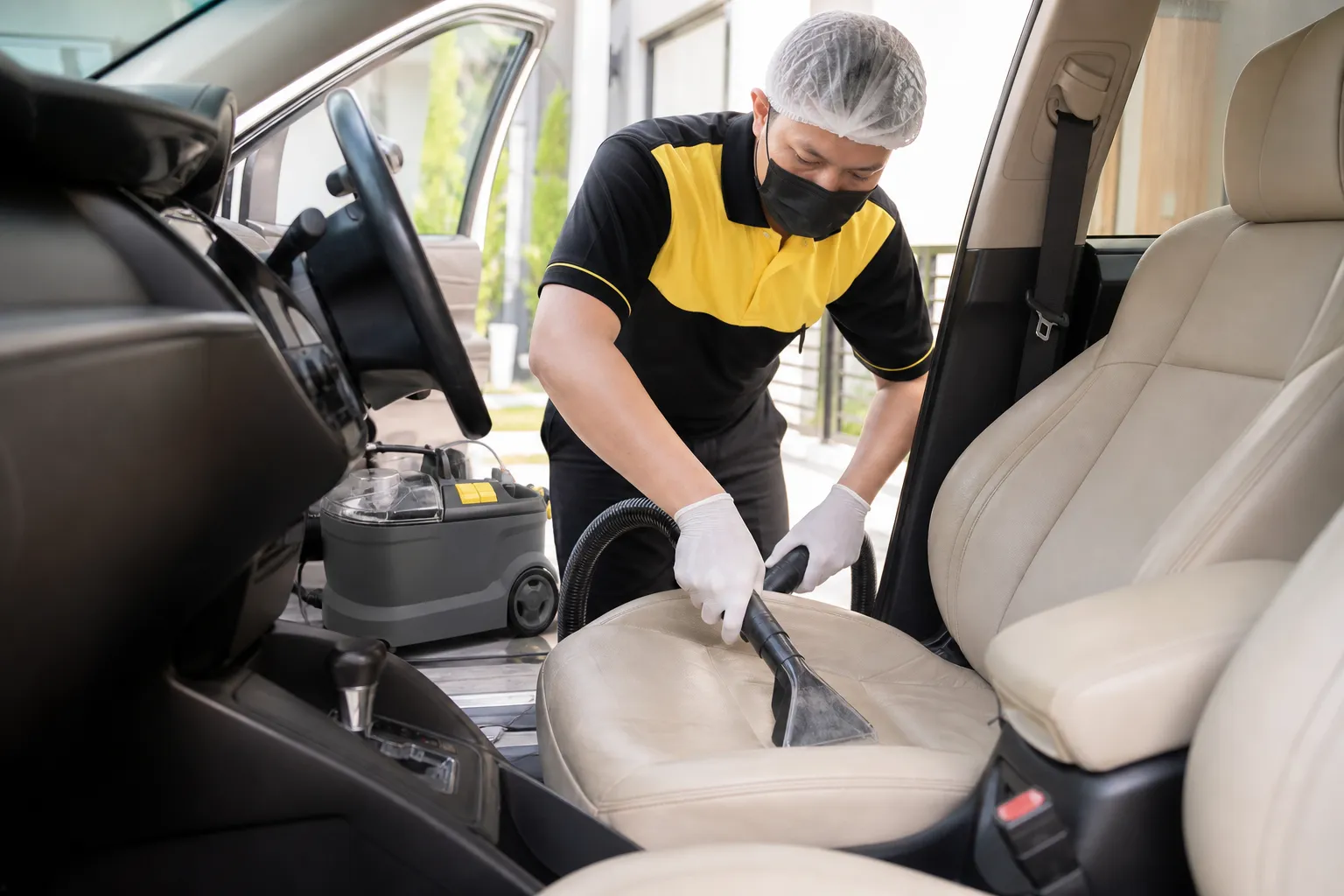
Car Seat Cleaning Near Me: Do Seats Need Removal?
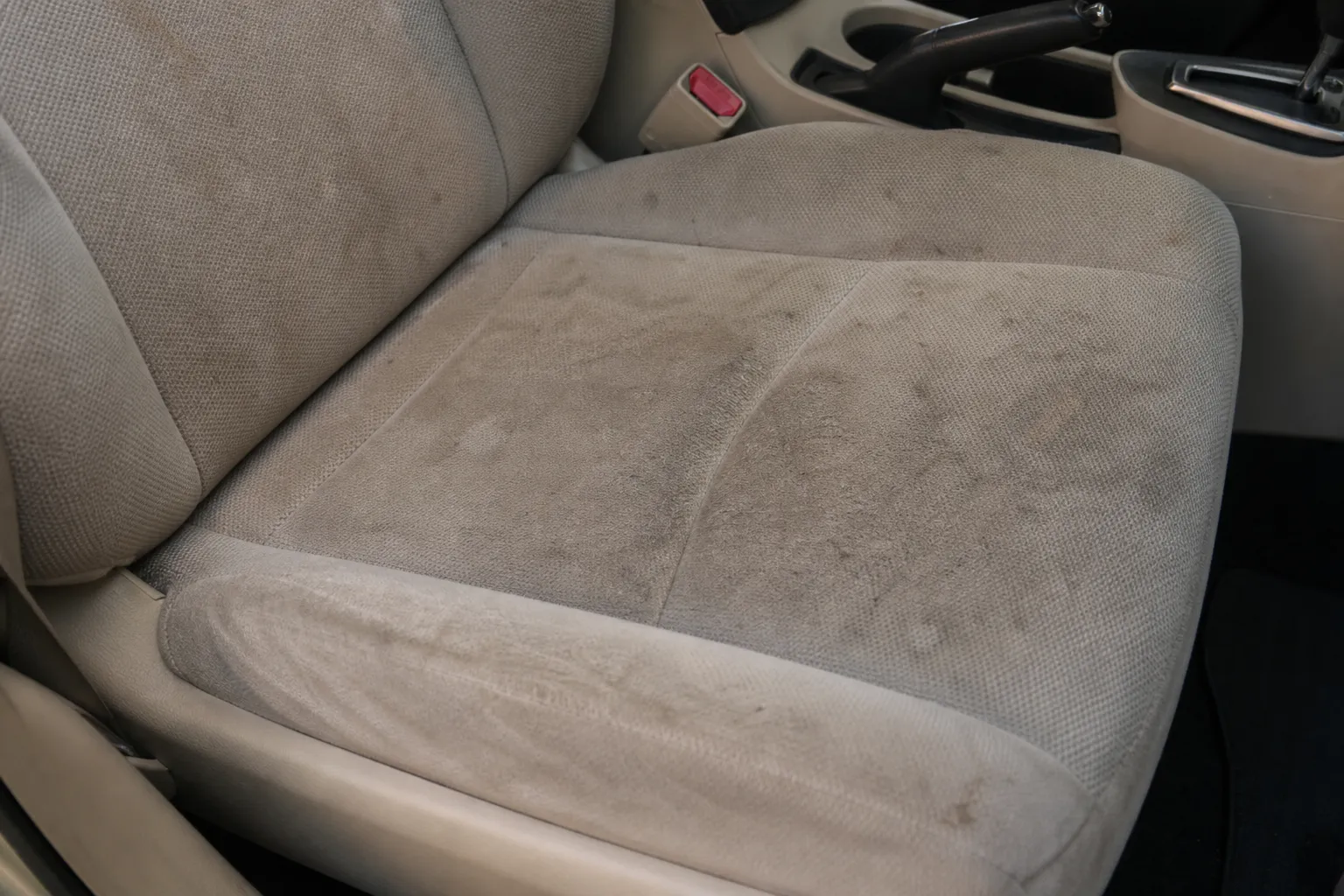
Based on real jobs, the answer is no—not every car needs its seats removed. Fresh coffee spills on fabric seats, yellow sweat rings on backrests, and dust embedded in seat crevices can usually be cleaned and extracted without taking the seats out of the car.
Seat removal or carpet lifting is considered when dirt has penetrated deep into the foam, beneath the seat rails, or into the carpet underlay—for example, when water has entered the car and left the floor damp for a long time, cat urine has soaked beneath the carpet, or mud has built up under the seats. Surface cleaning may improve the appearance, but the source of the odour can remain.
| Cleaning method | Best suited for | Limitations to know |
|---|---|---|
| Spot wiping and cleaning without removal | Fresh coffee stains, food spills, or small marks on fabric | Only effective where the stain has not soaked in deeply |
| Seat and carpet extraction cleaning without removal | Built-up dust, sweat stains, general musty odours, and stains across the seat | Cannot fully reach beneath the seat rails or under the carpet |
| Seat removal or carpet lifting | Water entering the car, deeply embedded urine odours, or dirt beneath the carpet | Must be done by someone who understands mounting points, wiring, and airbag systems |
Proper no-removal cleaning does not mean spraying water until the seats are soaked. The technician selects a product suited to the material, agitates stains only where needed, then extracts the moisture. The aim is to use enough moisture to work on the stain without leaving the seat foam wet.
When should seats be removed, and when does the carpet need lifting?
If the stain is on the surface of the seat—for example, coffee splashed on a fabric seat or a yellow sweat ring on the backrest—extraction cleaning without removal is usually enough. Afterward, blot again with a dry cloth and ventilate the car. Do not close it up and leave it all day.
For seats with cat urine stains, check the location first. A strong smell around the join between the seat and carpet, or beneath the sliding rails, often indicates that liquid has run down beyond the seat surface. In this case, the area beneath the seat may need to be inspected, and some cars require parts to be removed to access the true source of the odour.
Car carpets do not need to be lifted simply because of shoe marks or black dust on the floor. However, if the car has been flooded, has rainwater leaks, or the carpet becomes damp and repeatedly smells musty even when its surface is dry, the carpet underlay should also be checked, as the material beneath may still be retaining moisture.
Removing seats and lifting carpets does not always produce a cleaner result. It is a way to access areas that no-removal equipment cannot reach. Each car model has different bolts, clips, and wiring locations, so the condition and on-site photos should be assessed before deciding to dismantle anything.
Different seat materials require different stain-removal methods
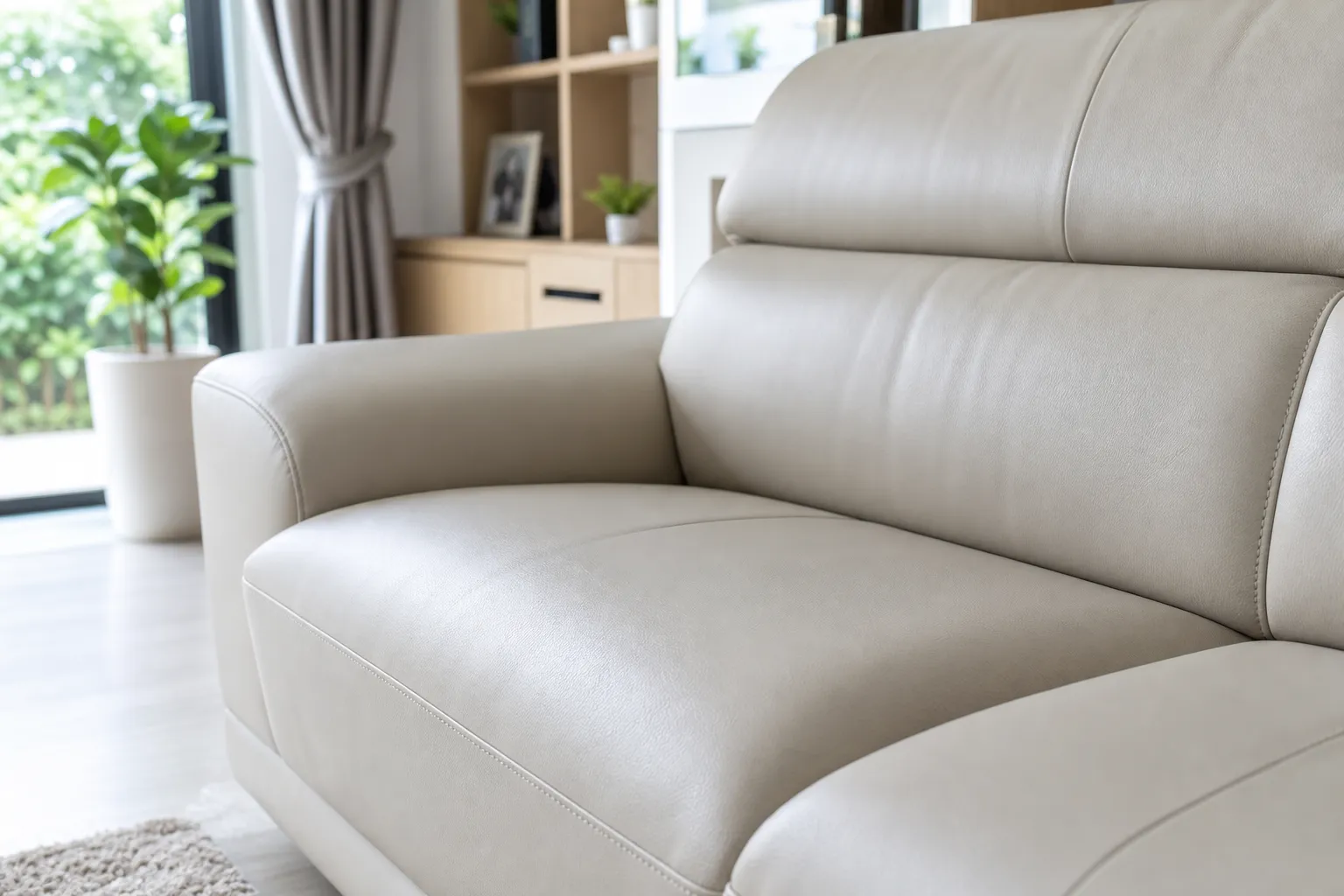
Cotton and linen seats absorb stains quickly, especially coffee and sweat, so blot them immediately. Do not scrub in circles, as this pushes the stain over a wider area. Velvet should only be cleaned with a soft-bristle brush and brushed in the direction of the pile. If the pile is flattened by aggressive scrubbing, the seat surface can become patchy and difficult to restore.
For genuine leather, avoid spraying cleaning products directly onto the surface. Use a damp cloth and a leather-appropriate cleaner to wipe one section at a time. PU leather tolerates more moisture than some materials, but it should still not be soaked or treated with concentrated alcohol, as its coating can dry out, harden, or peel.
How to clean car seats yourself for small, fresh stains
If the stain is small and fresh, acting quickly and correctly can greatly reduce the chance of needing seat removal. Use a light-coloured microfibre cloth, a cleaner suitable for the seat material, and a vacuum or wet vacuum if available. Always test the product on a hidden corner first.
- Vacuum dust, food debris, and sand from the seat crevices first, so grit does not scratch the fabric while wiping.
- Use a dry cloth to blot coffee or liquid stains from the outer edge toward the centre. Do not scrub in circles, as the stain will spread.
- Apply a small amount of cleaner to the cloth rather than spraying until the seat is soaked, then gently blot the stained area.
- For fabric stains where the cleaner is labelled as suitable, allow it to work for approximately 10-15 minutes without letting it dry onto the fabric.
- Blot away the cleaner with a clean damp cloth that has been wrung out well, then press with a dry cloth until little moisture transfers to your hand.
After cleaning, open the doors or windows to ventilate the car, and do not place mats over areas that are still damp. If a fresh stain becomes a brown water mark after blotting, or a urine odour remains strong once the seat is dry, the stain is likely deeper than an easy DIY clean can reach.
Do not use a stiff brush on velvet seats, and do not repeatedly wipe genuine leather with a soaking-wet cloth. Jobs are often damaged not because the stain is severe, but because too much water was used or the wrong cleaner was chosen for the material. If you are unsure whether the seat surface is genuine leather or PU leather, take a close-up photo and ask a technician to check first.
What should you ask before hiring a car seat cleaning service?
Ask clearly whether the job will be done without removal or whether seat removal is necessary, which areas the technician will inspect, and whether the stain or odour may not disappear completely. A systematic team should explain based on the actual condition, rather than promise results from photos alone.
Service time and drying time depend on the number of seats, stain depth, material, and the weather that day. A car cleaned by extraction with proper ventilation will dry differently from one that requires treatment for deeply damp carpets. Ask about aftercare and make sure the seats are dry before normal use.
Homes with children or pets should mention this from the start so the work and ventilation can be planned appropriately. After cleaning, wait until the seats and carpets are completely dry before letting children or pets touch them. What matters is extracting the cleaning product and moisture, not spraying fragrance over the odour.
For pricing, request an assessment using photos of the seats, carpets, stain locations, and any signs of water entering the car. This helps define the scope before booking. For heavy stains, musty odours, and urine odours, ask directly which layers need to be inspected, as recurring odours come from sources that have not yet been cleaned.
Let Hurryclean assess your at-home car seat cleaning job
Hurryclean provides at-home car seat cleaning in Bangkok and surrounding provinces. Before selecting a cleaning method, technicians assess the material type, stain location, and risk of odours beneath the carpet. We use modern European-standard equipment and test results on-site according to customer satisfaction.
If you are looking for car seat cleaning near me, send photos of the seats, carpets, areas with coffee stains or urine odours, and let us know whether water has ever entered the car via LINE @hurryclean. Our admin team will provide a clear price assessment before booking, and the team will honestly advise whether your job should be cleaned without removal or whether carpet lifting needs further inspection.